
How do I stop condensation on my windows?
From September onwards, issues surrounding condensation in homes throughout the West Midlands tend to escalate. Why is this? And what can homeowners and landlords do to prevent this UK wide issue? DW Windows are on the case!
Phone & Email
01902 661779
Email us
Office
8 Meadow Lane, Coseley, Bilston,
WV14 9NQ
Showroom Hours
Monday - Friday: 9am - 5pm
Saturdays: 9am - 4pm
Why does condensation get worse in winter?
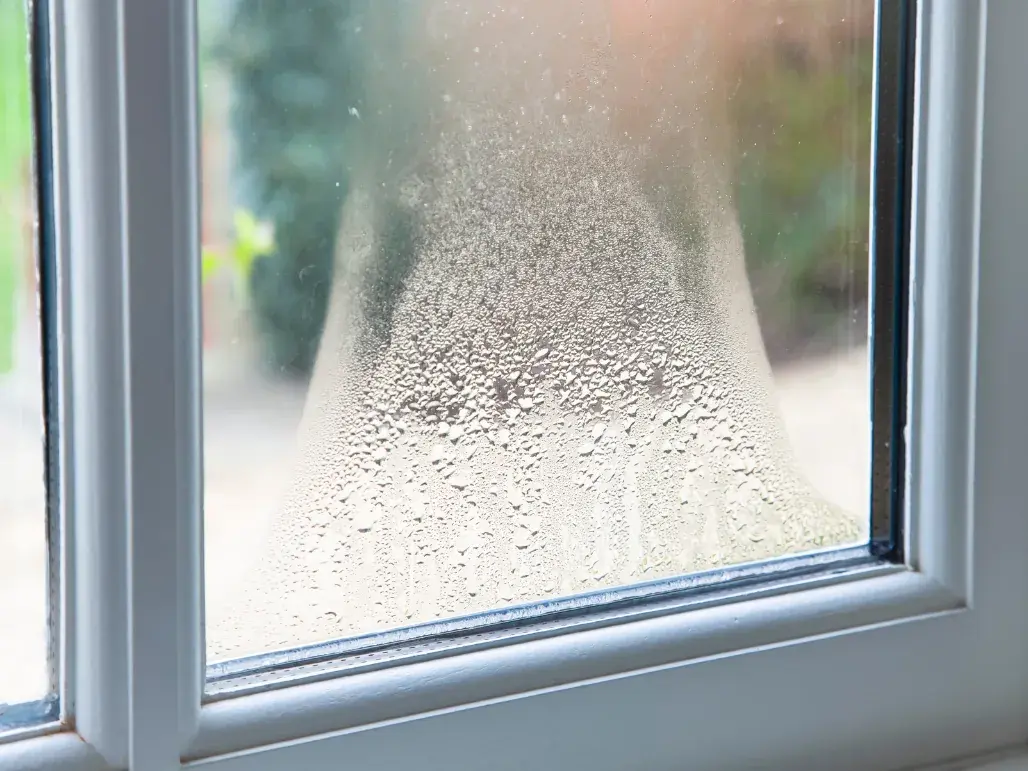
Condensation occurs when excess moisture in the air makes contact with colder surfaces like walls or windows. Some forms of condensation can be controlled and reduced by lowering humidity levels via effective room temperature management. Allowing the excess water vapour to escape via adequate ventilation is an effective way to reduce humidity levels, but as we’re all less likely to open windows and doors in the colder months this is why condensation problems intensify at this time of year.
How do I stop condensation on my windows in winter?
There are 3 types of condensation that you need to be aware of, but only 2 of these are cause for concern.
- External condensation
A sign of efficient glazing is when condensation forms on the outside of the glass. This is because less heat is being lost through the windows, making the exterior pane of glass the coldest surface. It may be annoying, but this will clear as the outside temperature rises.
Differing conditions around the outside of your home can also affect which windows attract more condensation, e.g. if the sun rises at the front of the property or if there’s a breeze blowing along the front and the back is more shaded or sheltered, then condensation on the front windows will clear much quicker than the windows at the back.
- Internal condensation
Internal condensation is due to excess moisture inside the home and the only way to stop this is to eliminate the moist air inside. This can be completed through effective humidity control, ventilation or insulation techniques, which need to be implemented as quickly as possible to prevent potential damage, e.g. rotting timber windows.
Humidity control
Humidity has been recognised as a growing problem in UK homes as insulation in building materials and properties in general is improving. To combat this, building regulations rules with regards to windows and door installations have been updated and are coming into force on 15th June 2022. In brief, installations of replacement windows in England and Wales from this date MUST be fitted with trickle vents.
- What is a trickle vent?
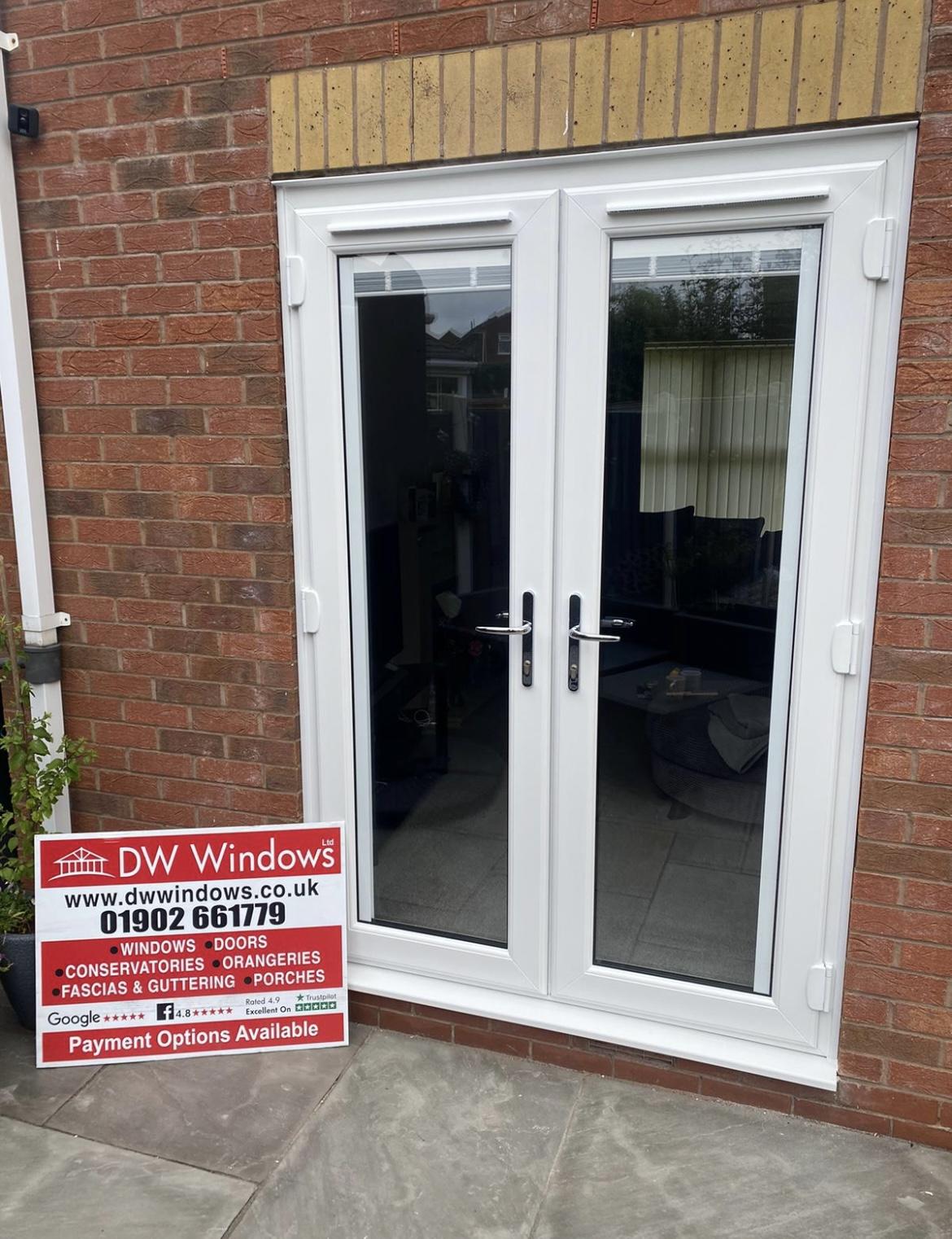
A trickle vent is a slotted vent at the top of the window that can be opened and closed. - What is the benefit of a trickle vent?
Trickle vents are designed to allow a small amount of ‘background’ air circulation. This will assist in reducing condensation, damp and mould inside properties especially around windows as these are normally the coldest place in a room so therefore the first place that condensation will form. Trickle vents will also improve air quality in your home and be beneficial to your health. - Do I have to have trickle vents?
Yes, as of June 2022 if you are having more than ⅓ of your windows replaced at one time then it has become a legal requirement for you to have trickle vents installed. Likewise, all windows in new build properties and extensions must have trickle vents fitted. - Is there any way around having trickle vents fitted?
The other way to create background ventilation is to have extractor fans fitted in every room which would work out a much more costly option. This would have to be done before we could register the job with Fensa.
Tips to minimise humidity:
- Use (or install) extractor fans in kitchens and bathrooms, making sure that the doors are kept shut when they’re in use
- Use saucepan lids when cooking
- Use bathmats when bathing
- Don’t use portable gas and paraffin heaters
- Cover up fish tanks
- Effective use of heating keeps surfaces above ‘dew point’ temperatures
- Dehumidifiers remove excess moisture from the air
It’s crucial to bear in mind that newly installed double or triple glazed windows may appear to exacerbate condensation issues, but the fact is that old and draughty windows will have masked the issue due to gaps, cracks, etc, allowing heat to escape.
– Ventilation
– Regularly open window trickle vents, windows, skylights and roof vents
– Avoid drying clothes inside the home
– Leave at least 50mm between furniture and walls
– Properly vent washing machines and tumble dryers
– Avoid overfilling wardrobes, cupboards, etc
– Use a reliable double glazing expert that adheres to Fensa Document F – Ventilation
– Insulation
– Double or triple glazing
– Loft insulation
– Draft proofing
- Condensation in between the glazing
Condensation in between the panes of glass usually indicates that windows need to be repaired or replaced. The layers of glass are separated by either a vacuum or argon-gas filled space that traps in extra heat, working to reduce noise too. So, when they begin to mist up in between, more often than not, the sealant between the panes has failed or the moisture absorbent desiccant inside the windows has become saturated. This is when it’s time to call DW Windows for expert glazing repairs or replacement windows.
Private landlords also need to be aware that if their rental properties are not classed as ‘Fit for Human Habitation’, which includes ‘freedom from damp’, their tenants can now take them to court.
View More of Our Products



Contact Us
Get a Free Quote
Request a Callback
Email us
Monday - Friday: 9am - 5pm
Saturdays: 9am - 4pm

Finance Available
Credit is subject to status and affordability.

Up to 10 Year Guarantee
On eligible products, plus an insurance backed policy on eligible products

Free Online Quote
Free professional written quotes for your convenience. Simply fill out our contact form or call us on 01902 661779 for your free quotation

Fully Accredited
FENSA and PWF (Plastics Window Federation)

Trading Since 2006
We’ve Been Installing For Over 20 years
Fully accredited